The best gym outfit is the one you can train in
A good women’s gym outfit should support movement, comfort, confidence, and the activity you plan to do. It does not need to be expensive, revealing, or built around a trend. The right choice depends on the workout, temperature, fit preferences, support needs, laundry habits, and budget.
Fitness clothing is personal. Some people prefer compression; others want a looser layer. Some need a high-support sports bra for running; others are comfortable in a light-support style for lifting or yoga. There is no single correct body type, color, or silhouette for the gym.
This guide focuses on practical shopping decisions. It is not a substitute for medical advice about pain, skin conditions, or breast support concerns.
Choose clothes for the activity
Strength training
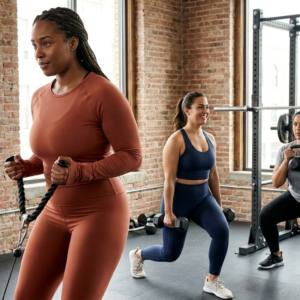
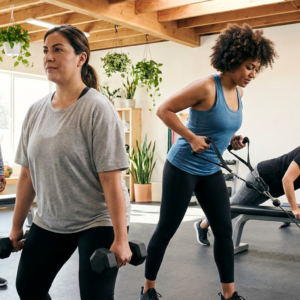
For strength workouts, choose fabric and cuts that allow squats, hinges, presses, rows, and lunges without constant adjustment. High-waisted bottoms can feel secure, but the waistband should not dig in or restrict breathing. A fitted or semi-fitted top can make it easier to see body position, while a loose layer may be comfortable during warm-ups.
Check that the waistband stays in place during a deep squat and that the fabric is opaque under stretching. Test pockets, seams, and drawcords before loading a barbell or using a machine.
Running and high-impact cardio
Running, jumping, and intense classes create more movement. A sports bra should provide the support appropriate for your body and the activity. Look for adjustable straps, a secure band, breathable fabric, and a closure you can manage. High support is not automatically comfortable if the band causes pain or restricts breathing.
Shorts or leggings should stay secure without excessive friction. Test the outfit with the actual movement: jogging, jumping, raising your arms, and bending forward.
Yoga, Pilates, and mobility
Soft, flexible clothing may work best for activities that require a large range of motion. Avoid hardware that digs into the floor or restricts twisting. Leggings should remain comfortable during seated and inverted positions.
Outdoor workouts
Layering matters more than buying a single “all-weather” outfit. Use a moisture-managing base, a warmer middle layer when needed, and a wind or rain layer for conditions. Protect exposed skin from sun and cold, and choose visibility accessories for low light.
Fabric and fit
Moisture-managing synthetic fabrics can dry quickly during sweaty training. Cotton can feel comfortable for low-intensity sessions but may stay wet during hard cardio. Wool blends can be useful in cooler conditions. The best fabric is the one that feels comfortable, washes well, and suits the activity.
A fit test is more useful than a size label. Bend, squat, reach, twist, and sit. Look for riding up, pinching, chafing, transparent fabric, loose straps, or a waistband that rolls. If the item prevents you from moving naturally, it is the wrong fit even if the label says it is your usual size.
Sizing varies across brands. Use the current measurement chart, check the return policy, and read reviews for information about stretch and fit. Do not assume that a model’s size is a reliable guide for everyone.
Sports bras: support and comfort
Sports bras are not just fashion pieces. The right level of support can make training more comfortable and reduce distraction. Low-support styles may suit yoga, mobility, or light strength work. Medium support may suit lifting, cycling, and moderate classes. High-support designs are commonly preferred for running, jumping, and other high-impact activity.
Check the band first. It should feel secure but not painful, and it should stay level as you move. Straps should not fall off or dig into your shoulders. Cups or panels should contain movement without crushing tissue. If a bra causes numbness, pain, skin damage, or breathing difficulty, stop using it.
Different bodies need different construction. Try adjustable straps, racerback or traditional straps, encapsulation or compression designs, and front or back closures. Replace bras when the band has lost support or the fabric is stretched out.
Leggings, shorts, and bottoms
Leggings should pass a squat test in the lighting where you train. Bend deeply, perform a lunge, and check the back and side view if possible. A fabric that looks opaque while standing may become transparent under tension.
Consider waistband height, drawcords, pockets, inseam length, and seam placement. Pockets are useful for a phone but can bounce during running. A side pocket may work better for walking or lifting than a rear pocket.
Shorts should allow movement without riding up. Some people prefer a liner, while others prefer loose shorts over leggings. Choose according to comfort rather than pressure from trends.
Shoes for different workouts
Shoes should match the activity. Running shoes are designed for running, while stable trainers may feel better for strength work. Cross-training shoes can be a compromise for mixed workouts. Minimal or flat shoes may suit some lifters, but they are not appropriate for everyone.
Replace shoes when cushioning, tread, or stability has noticeably deteriorated. Pain is not a normal sign that a shoe is “breaking in.” If foot or joint pain persists, seek professional advice.
Do not train in worn-out fashion sneakers simply because they look good. Footwear is equipment.
Gym outfits on a budget
Build a capsule wardrobe rather than buying a different outfit for every workout. Start with two or three bottoms, three or four tops, one or two sports bras suited to your main activity, one warm layer, socks, and appropriate shoes. Add pieces only when you identify a gap.
Look for durable stitching, useful pockets, washable fabric, and a return policy. A lower price is not a bargain if the fabric pills quickly or the waistband fails after a few washes. Conversely, a premium logo does not guarantee better fit or durability.
Shop end-of-season sales, outlet sections, and secondhand platforms carefully. Inspect used activewear for odor, stretched elastic, stains, and hygiene concerns. Sports bras and close-fitting items may be better purchased new.
Gym accessories that actually help
Useful accessories include a water bottle, small towel, hair ties, lifting straps when appropriate, gloves if they improve comfort, a training log, and a bag with separate compartments. A belt or knee sleeve should be used for a clear training reason, not because an influencer wears one.
For home workouts, add a mat, resistance bands, adjustable weights, and storage. Avoid cluttering the floor with equipment that creates tripping risks.
Care and laundry
Follow the garment’s care label. Use a mild detergent, avoid excessive fabric softener when it affects moisture management, and dry items fully before storing. Do not leave sweaty clothes in a closed bag for days.
Wash sports bras and leggings often enough for hygiene. Rotate pieces to reduce wear. Inspect elastic, seams, straps, and fabric transparency regularly.
What to wear for confidence
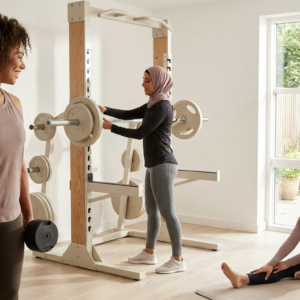
Confidence comes from being able to focus, not from meeting an aesthetic standard. If you prefer a loose shirt over leggings, wear it. If you like a coordinated set, wear it. If modest coverage helps you train, build your outfit around that need.
A gym is not a runway. Clothing should make movement easier, not become another performance. The person lifting less weight today may be building a habit that lasts for years.
Common shopping mistakes
Buying the wrong size because you want a smaller label often leads to discomfort and unused clothing. Buying without checking squat opacity is another common mistake. People also underestimate the need for layers, buy shoes for appearance rather than activity, and collect trendy pieces while lacking basics.
Avoid unsupported claims that an outfit will burn more fat, sculpt a body, or improve performance automatically. Clothing can improve comfort and confidence, but it cannot replace training and nutrition.
Frequently asked questions
What should women wear to the gym?
Wear comfortable, activity-appropriate clothing that allows movement, provides the support you need, and makes you feel secure. A practical starting outfit is a supportive top or sports bra, breathable bottom, suitable shoes, socks, and an optional layer.
Are leggings or shorts better for workouts?
Neither is universally better. Choose the option that stays comfortable and secure during your activity, climate, and range of motion.
How do I choose a sports bra?
Match support to impact level, then check band security, strap comfort, coverage, breathability, and movement. Try jogging, jumping, reaching, and bending before deciding.
Do expensive gym clothes work better?
Price does not guarantee quality. Compare fit, construction, fabric, durability, return policy, and comfort rather than focusing only on the logo.
How many gym outfits do I need?
A small capsule of two or three bottoms, several tops, suitable sports bras, one warm layer, and proper footwear can cover many routines. Add items based on actual use.
Final checklist
Match clothing to activity, perform a movement test, check opacity and support, choose suitable shoes, verify the size chart and return policy, build a small wardrobe, care for items properly, and wear what helps you train comfortably.