A good gym workout plan is repeatable
A useful women’s gym workout plan should fit your schedule, goals, experience, equipment access, and recovery. It should not rely on punishment, shame, or the idea that women need to train in a particular way to earn food or change their bodies. Strength, cardiovascular fitness, mobility, coordination, and confidence are all valid outcomes.
Many people make gym planning too complicated. They collect advanced exercises, change routines constantly, and measure success by soreness. A better approach is to choose a small set of movement patterns, train them consistently, record progress, and adjust when your life changes.
This guide is general fitness information, not medical advice. Seek professional guidance if exercise causes concerning symptoms or if you are pregnant, postpartum, injured, or managing a health condition.
Choose a weekly structure
Two days per week
Use two full-body sessions. Each workout can include a squat or leg press, a hinge, a push, a pull, a core exercise, and optional cardio. Leave at least one rest day between sessions when possible.
Three days per week
Use three full-body sessions with slightly different exercises. This is a strong option for beginners and busy professionals because each major movement pattern is practiced frequently without requiring daily gym visits.
Four days per week
Use an upper-lower split or two strength days plus two mixed days. This can work well for intermediate lifters who recover reliably. Do not add a fourth day simply because a social media plan says more is better.
Five or more days
Higher frequency can suit experienced trainees, but it requires careful volume and recovery management. A five-day plan may include strength, cardio, mobility, and active recovery rather than five hard lifting sessions.
A beginner full-body gym workout
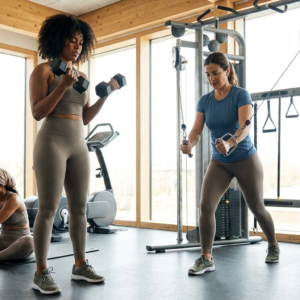
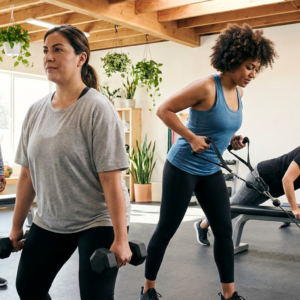
Start with five to ten minutes of easy cardio and movement practice. Then perform a leg press or goblet squat, a chest press or incline push-up, a seated cable row, a Romanian deadlift with dumbbells, a supported split squat, and a plank or dead bug.
Use two sets at first and approximately six to twelve controlled repetitions for many strength movements. Rest long enough to repeat good technique. Finish with ten to fifteen minutes of easy cardio if desired.
This first workout should feel like practice. You do not need to leave unable to climb stairs. Mild fatigue is fine; exhaustion is not a requirement.
A three-day strength plan
Day one: squat or leg press, dumbbell bench press, lat pulldown, Romanian deadlift, cable face pull, and a carry.
Day two: hip thrust, overhead press, seated row, reverse lunge, hamstring curl, and side plank.
Day three: deadlift variation, incline press, assisted pull-up or pulldown, step-up, cable anti-rotation press, and optional intervals.
Perform two to four sets depending on experience and recovery. Keep one or more repetitions in reserve on most sets. Add load only when you can complete the movement with control.
A four-day upper-lower plan
Upper one: dumbbell bench press, cable row, shoulder press, pulldown, lateral raise, and triceps or biceps work.
Lower one: squat, Romanian deadlift, split squat, leg curl, calf raise, and core work.
Upper two: incline press, one-arm row, assisted pull-up, machine chest press, rear-delt exercise, and arms.
Lower two: hip thrust, leg press, step-up, back extension, leg extension, and a carry.
Separate lower-body days with enough recovery. Do not treat soreness as proof that the program is working. Progress can occur even when you are not sore.
Cardio for health and performance
Cardio can support heart health, endurance, recovery, and daily energy. Choose an activity you can repeat: brisk walking, cycling, rowing, swimming, dancing, stair climbing, or an elliptical.
Moderate cardio should feel challenging but sustainable. You can usually speak in short sentences. Intervals alternate harder and easier periods and should be used thoughtfully, especially if you are new to training.
Place cardio after strength when strength is the priority, or perform it on separate days. A short easy walk after lifting can be useful without competing heavily with recovery.
Warm-up, mobility, and cool-down
Start with general movement, then practice the exercises in the session with lighter loads. A warm-up should match the workout. If you are squatting, use bodyweight squats and light sets. If you are pressing, rehearse the shoulder position with low resistance.
Mobility work can be included where you need it, but do not assume a long static-stretch routine is required before every heavy lift. Gentle movement, gradual loading, and good technique are often more relevant.
A cool-down can include easy walking and relaxed breathing. It is optional for many people, but it can help you transition out of a hard session.
How to progress
Track exercises, sets, repetitions, load, and effort. Use double progression: choose a repetition range, and when you can complete the top of the range with good form, increase the load slightly and return to the lower end.
You can also progress by adding a set, improving control, increasing range, reducing assistance, or shortening rest modestly. Do not change every variable at once.
Every few weeks, review your performance, energy, sleep, and motivation. If progress stalls, look first at recovery, exercise technique, realistic loading, and whether you are eating enough to support training.
Training during busy weeks
Use a minimum effective session when life is crowded. Complete one lower-body movement, one push, one pull, and one core or carry exercise. Two focused sets can be more useful than skipping the week because you cannot complete a perfect hour-long workout.
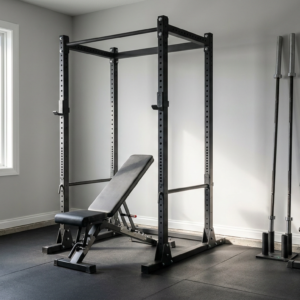
Keep a short list of substitutions. If the squat rack is busy, use a leg press or split squat. If the cable machine is occupied, use dumbbells or a resistance band. Flexible planning reduces frustration.
Gym clothes and equipment
Wear clothing that allows the range of motion you need and stays secure. Supportive footwear should match the activity. A stable shoe may help during strength training, while a cushioned shoe may suit running or walking. You do not need expensive clothing to train effectively.
Bring water, a towel, a notebook or app, and any required personal equipment. Keep valuables secure and follow facility rules. If you are new, ask staff to show you how to adjust machines rather than guessing.
Gym confidence and safety
Confidence grows through repetition. Visit at a quieter time, follow a written plan, and start with familiar machines while learning free weights. You are allowed to take up space and learn.
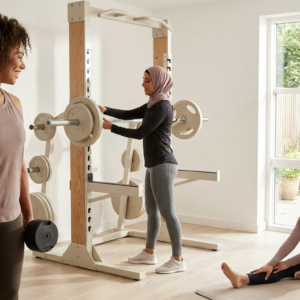
Use collars, adjust pins correctly, re-rack weights, and keep fingers clear of moving parts. Ask for a spotter when appropriate. If a gym environment feels unsafe or someone is harassing you, tell staff and use the facility’s reporting process.
Stop for chest pain, fainting, severe shortness of breath, new neurological symptoms, or unusual pain. Seek urgent care for serious symptoms.
Recovery and body image
Rest days, sleep, and adequate food are part of training. Avoid the cycle of overtraining after eating more than planned. Fitness should support health rather than become a punishment system.
Progress photos and body measurements are optional, not mandatory. Strength records, stamina, mood, daily function, and consistency are useful measures too. A scale cannot show every meaningful adaptation.
Frequently asked questions
How many days a week should women go to the gym?
Two to four structured sessions can work well depending on goals and recovery. The best schedule is one you can repeat without constant exhaustion.
What is the best gym workout for women to lose fat?
A sustainable combination of resistance training, cardio, everyday movement, and nutrition can support fat loss. No single workout can guarantee a specific result or target fat from one body area.
Should women lift heavy weights?
Women can lift challenging weights when technique, progression, and safety are appropriate. “Heavy” is relative to the person and exercise.
Is cardio or strength training better?
They serve different purposes, and many people benefit from both. Organize the balance around your goals and recovery.
How long should a gym workout last?
A focused session can be effective in thirty to sixty minutes. Duration matters less than appropriate effort, consistency, and recovery.
Final checklist
Choose a realistic weekly structure, warm up, train major movement patterns, use controlled loads, track progress, include cardio and recovery, adapt during busy weeks, and select exercises that you can perform safely.